
What to Expect at Our Upcoming Events: A Behind-the-Scenes Look?

December 26, 2025

Events have always served as pivotal moments for connection, learning, and inspiration, offering attendees more than just a gathering—they create experiences that resonate long after the day concludes. Whether it’s a workshop, seminar, festival, or community gathering, each event represents careful planning, thoughtful execution, and a commitment to providing value to every participant. Understanding what goes on behind the scenes can demystify the process and enhance attendees’ appreciation for the intricacies involved, from concept to execution, ensuring every detail contributes to meaningful outcomes and memorable experiences. For businesses and individuals alike, attending events is more than simply showing up; it’s about immersion, networking, and meaningful engagement, creating opportunities to build relationships and gain insights that support ongoing personal growth and development.


Our upcoming events are designed to deliver not only memorable experiences but also actionable insights and opportunities for personal and professional growth, tailored to meet diverse attendee interests and needs. By offering a behind-the-scenes look at these events, we aim to provide transparency into the meticulous planning, creative strategies, and logistical coordination that make each gathering exceptional, ensuring participants understand the effort and expertise involved. From the selection of topics and speakers to the design of interactive sessions and networking opportunities, understanding what happens behind the scenes allows attendees to approach the event with anticipation and excitement, fully prepared to engage, learn, and create valuable connections that extend well beyond the event itself.

1. Event Planning and Concept Development

Understanding the Vision

Every successful event starts with a clear vision. Event planners begin by defining objectives: is the goal to educate, entertain, inspire, or foster networking? Establishing the purpose ensures every element—from content selection to venue setup—aligns with the overarching goal. This phase often includes brainstorming sessions, market research, and audience analysis. Understanding what your target attendees value most helps shape the event’s theme, tone, and structure.


For instance, a professional development seminar might focus on skill-building workshops and keynote speeches, while a community festival may prioritize interactive exhibits, live entertainment, and family-friendly activities. By aligning the concept with audience expectations, planners can create events that feel curated rather than generic.

Planning Timelines and Milestones

Behind every seamless event is a detailed timeline. Planners set milestones for each stage: initial concept approval, vendor sourcing, marketing campaigns, registration openings, and final rehearsals. Having clear deadlines reduces stress, prevents last-minute chaos, and ensures a consistent experience for attendees. Tools such as Gantt charts, project management software, and collaborative platforms are often used to maintain organization and accountability.


Example: A corporate conference may require six months of planning, with quarterly reviews to monitor progress, while a smaller workshop might only require a few weeks. In both cases, structured timelines are essential for efficiency.

2. Venue Selection and Layout Design

Choosing the Right Venue

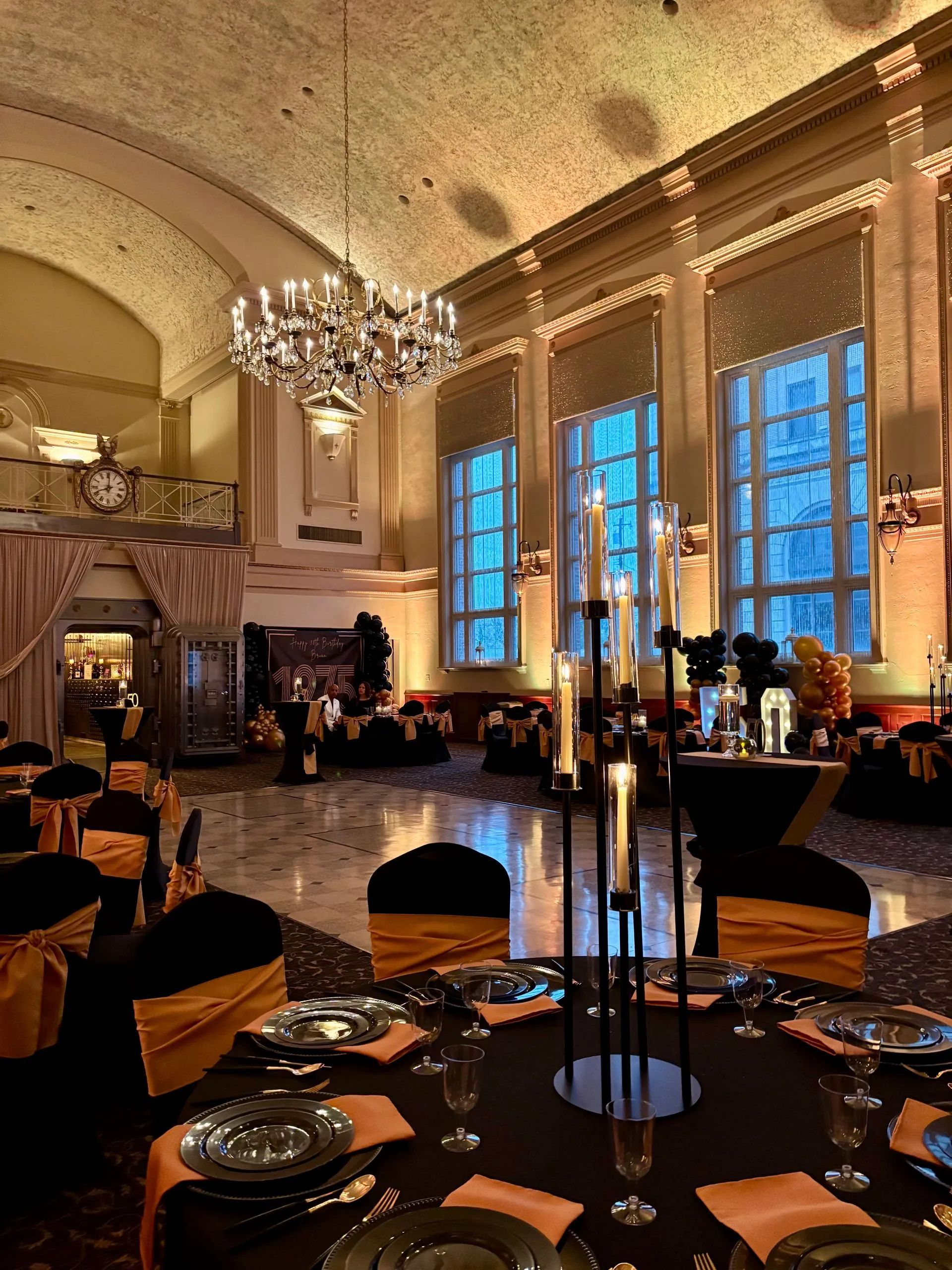
The venue sets the tone for the entire event. Planners consider accessibility, capacity, ambiance, and technological infrastructure when selecting a location. A centrally located venue with ample parking and public transport options enhances attendee convenience and satisfaction. Beyond practicality, the venue’s design and atmosphere should reflect the event’s theme and values.


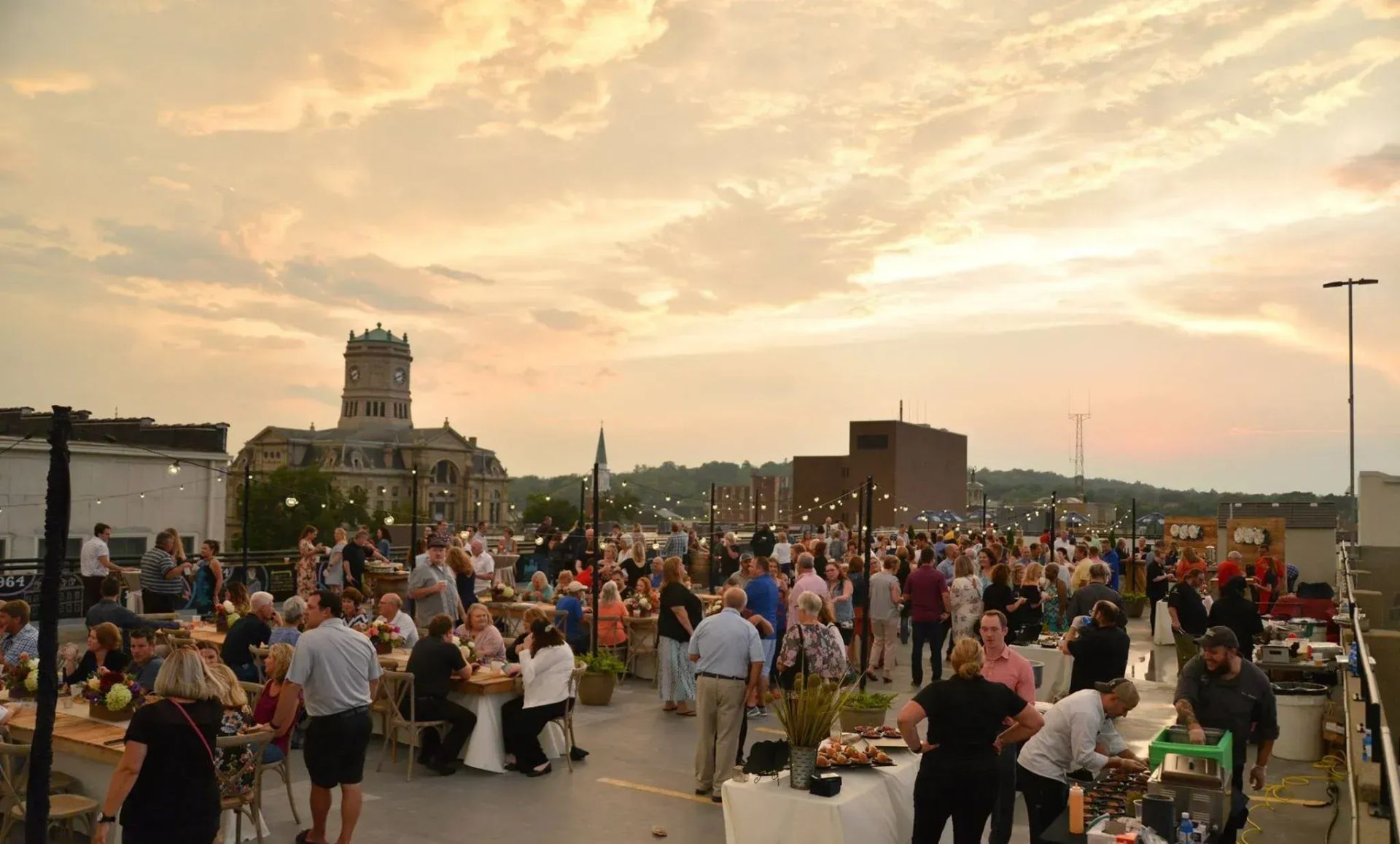
Real-World Scenario: For a technology conference, a modern venue equipped with high-speed internet, advanced A/V systems, and flexible meeting spaces enhances the overall experience. Conversely, a cultural festival may prioritize outdoor spaces, tents, and open-air stages to facilitate community engagement.

Designing Functional Layouts

Layout planning goes beyond aesthetics. It impacts crowd flow, engagement, and safety. Planners design seating arrangements, registration areas, stage setups, and interactive zones to maximize efficiency and attendee satisfaction. Considerations include accessibility for people with disabilities, clear signage, and sufficient spacing for social interactions.


Best Practices: Using floor plans, 3D modeling tools, and mock setups allows planners to visualize attendee movement, identify potential bottlenecks, and ensure smooth operations. Strategic placement of rest areas, food stations, and networking zones can significantly enhance the attendee experience.

3. Speaker Selection and Content Curation

Choosing the Right Speakers

The quality of speakers can make or break an event. Planners look for subject matter experts who not only bring credibility but also engage audiences effectively. Speaker diversity, including different perspectives and styles, keeps content fresh and relatable.


Actionable Insight: Consider incorporating a mix of keynote speakers, panelists, and workshop facilitators to cater to various learning styles. Each session should provide actionable takeaways that attendees can apply immediately.

Crafting Valuable Content

Content curation involves balancing relevance, originality, and depth. Planners ensure that each session aligns with the event’s objectives while addressing the current challenges and interests of the target audience. For interactive sessions, exercises, case studies, and Q&A opportunities enhance engagement and knowledge retention.


Example: At a business networking event, workshops on negotiation skills, digital marketing strategies, and leadership development may be complemented by live demonstrations or breakout discussions. This approach fosters a dynamic learning environment and encourages participation.

4. Marketing and Audience Engagement

Promoting the Event Effectively

Marketing is crucial to the success of any event. Strategies often include email campaigns, social media promotion, influencer partnerships, and local advertising. Clear messaging highlighting unique value propositions encourages registration and builds anticipation. Personalized outreach, such as early-bird offers or exclusive previews, can increase engagement and attendance.


Real-World Scenario: A nonprofit organization hosting a fundraising gala might leverage social media storytelling to showcase past event successes, participant testimonials, and upcoming highlights. This approach generates excitement and fosters community support.

Pre-Event Engagement Strategies

Engaging potential attendees before the event starts builds momentum and loyalty. Online forums, pre-event webinars, and social media challenges help create a sense of community and anticipation. Sharing behind-the-scenes content, such as sneak peeks of the venue or interviews with speakers, offers transparency and fosters excitement.


Best Practices: Utilize event apps, virtual communities, or email series to provide updates, answer questions, and facilitate networking even before the event begins. This proactive approach enhances the attendee experience and ensures participants arrive informed and enthusiastic.

5. On-Site Coordination and Experience Management

Smooth Registration and Check-In

The first impression matters. Efficient registration and check-in processes reduce stress for attendees and staff. Digital tools, such as QR code scanning, pre-registration options, and mobile event apps, streamline the process. Clear signage and on-site support staff further enhance the attendee experience.


Example: At a large-scale trade show, attendees may receive a personalized badge and event itinerary upon arrival, enabling them to navigate the event easily and engage with relevant sessions.

Enhancing Attendee Experience

Beyond logistics, event planners focus on creating memorable experiences. This includes interactive sessions, engaging activities, personalized touches, and on-demand support. Comfort, accessibility, and convenience are prioritized, from seating arrangements to catering options. Planners often conduct walk-throughs and run simulations to anticipate potential challenges and address them proactively.


Challenges and Solutions: Unexpected issues, such as technical malfunctions or last-minute cancellations, are common. Prepared contingency plans, backup equipment, and flexible schedules ensure that disruptions are minimized, maintaining a seamless experience for attendees.

6. Post-Event Follow-Up and Evaluation

Gathering Feedback

Event success does not end when the last session concludes. Collecting attendee feedback is essential for continuous improvement. Surveys, polls, and social media engagement provide insights into what worked well and areas that need adjustment. Feedback should be analyzed promptly to inform future event planning.


Actionable Insight: Focus on key metrics such as attendee satisfaction, session popularity, networking opportunities, and logistical efficiency. This data allows organizers to refine content, improve engagement, and optimize operational processes for subsequent events.

Maintaining Long-Term Engagement

Post-event communication strengthens relationships and builds loyalty. Sharing session recordings, key takeaways, and event highlights keeps the conversation going. Personalized thank-you messages, special offers, or invitations to future events encourage ongoing participation.


Real-World Scenario: A professional development workshop may provide attendees with a downloadable toolkit, access to an exclusive online community, or follow-up webinars to continue the learning journey. This approach extends the event’s value and demonstrates commitment to attendee growth and satisfaction.

Reimagining Your Event Experience for Maximum Impact

Events are more than mere gatherings; they are carefully orchestrated experiences designed to educate, inspire, and connect. Understanding the intricate planning, thoughtful content curation, strategic marketing, and meticulous on-site management behind each event allows attendees to fully appreciate and maximize the benefits of participation. From seamless logistics to engaging sessions and post-event follow-up, every element is designed to create lasting value.

Turning Behind-the-Scenes Insights Into Tangible Event Value

In today’s fast-paced world, attending well-organized events can be a transformative experience. By understanding what happens behind the scenes—from planning and content creation to marketing, on-site coordination, and post-event follow-up—attendees can engage more meaningfully, extract actionable insights, and build lasting connections. Each stage of an event is carefully crafted to enhance value, ensuring that participants leave informed, inspired, and connected to a larger community.

At The Windamere, located in Middletown, Ohio, we bring over 10 years of experience to designing and hosting exceptional events. Our expertise ensures that every detail, from venue selection and content curation to attendee experience and post-event follow-up, is executed flawlessly. As a trusted name in the industry, we pride ourselves on creating experiences that leave lasting impressions. Whether you’re attending, hosting, or collaborating, The Windamere is committed to delivering events that inspire, engage, and elevate every participant.

Event hall lit with blue and purple lights, with people seated at tables, a chandelier, and a balcony.
November 20, 2025
Behind every successful event is a network of talented professionals who make it happen. From florists and photographers to caterers and DJs, the vendors you choose have a direct impact on your celebration’s atmosphere, flow, and overall success.
Wedding reception tables with floral centerpieces, white tablecloths, and wooden chairs.
October 17, 2025
Every celebration deserves an atmosphere that reflects joy, elegance, and personality. From weddings and anniversaries to milestone birthdays and corporate gatherings, the right décor and bar setup can instantly transform an event from simple to spectacular.
Wedding ceremony setup in a large hall, rows of chairs facing a draped altar, chandelier.
September 24, 2025
Choosing the perfect wedding venue is one of the most exciting parts of planning your big day, but it’s also one of the most financially significant. Many couples start with a budget in mind, only to find themselves facing unexpected costs that weren’t clear in the initial quote.
Show More
Event hall lit with blue and purple lights, with people seated at tables, a chandelier, and a balcony.
November 20, 2025
Behind every successful event is a network of talented professionals who make it happen. From florists and photographers to caterers and DJs, the vendors you choose have a direct impact on your celebration’s atmosphere, flow, and overall success.
Wedding reception tables with floral centerpieces, white tablecloths, and wooden chairs.
October 17, 2025
Every celebration deserves an atmosphere that reflects joy, elegance, and personality. From weddings and anniversaries to milestone birthdays and corporate gatherings, the right décor and bar setup can instantly transform an event from simple to spectacular.
Wedding ceremony setup in a large hall, rows of chairs facing a draped altar, chandelier.
September 24, 2025
Choosing the perfect wedding venue is one of the most exciting parts of planning your big day, but it’s also one of the most financially significant. Many couples start with a budget in mind, only to find themselves facing unexpected costs that weren’t clear in the initial quote.
Show More