
The Historic Charm of Our Event Space: Past Meets Present
March 26, 2026

Historic event venues continue to shape meaningful celebrations by offering a powerful blend of storytelling, architectural beauty, and emotional depth. In today’s event industry, where personalization and experiential design define success, spaces rooted in heritage provide a distinctive advantage. Original craftsmanship, preserved materials, and layered community history contribute to immersive environments that modern venues often struggle to replicate. Guests increasingly seek authenticity when attending weddings, corporate functions, or private celebrations, making historic venues essential destinations for memorable gatherings. These spaces foster deeper connections by linking contemporary moments with timeless narratives, creating experiences that feel both elegant and purposeful.
Our event space demonstrates how thoughtful restoration and expert coordination can transform historical architecture into a fully functional modern venue. By integrating advanced amenities while honoring original design elements, we create an environment that supports seamless event execution without sacrificing character. Flexible layouts, curated vendor partnerships, and personalized décor solutions ensure every event reflects individual vision within a setting rich in legacy. As the demand for unique and meaningful venues grows, understanding how historic charm enhances guest engagement and event value becomes increasingly relevant. Through this balance of preservation and innovation, historic spaces continue shaping the future of exceptional event planning.
Honoring Local History Through Thoughtful Restoration
From Foundational Roots to Modern Celebrations
Historic venues hold significance because of the stories embedded within their walls. Buildings that have witnessed generations of community development naturally inspire emotional resonance among guests. Our event space stands on land once associated with early Middletown settlement activity, including the presence of a log home connected to local leadership in the 1800s. Over time, this location evolved into a hub of commerce where merchants operated a general store that eventually transitioned into a private banking enterprise. This layered history reflects resilience, growth, and innovation—qualities that now enhance the experience of every event hosted within the restored structure.
By acknowledging and preserving such narratives, we transform gatherings into meaningful occasions rooted in authentic heritage. Guests attending weddings or milestone celebrations often feel a deeper sense of connection when they learn about the venue’s journey from early mercantile operations to a refined modern event destination.
Adaptive Reuse Preserving Architectural Integrity
Restoration efforts play a crucial role in maintaining historic charm while ensuring contemporary usability. Our renovation approach focused on reusing original materials whenever possible, allowing architectural authenticity to remain visible throughout the venue. Preserved structural elements, classic layouts, and restored finishes provide a timeless atmosphere that enhances event aesthetics. This adaptive reuse strategy also supports sustainability by reducing construction waste and extending the life of valuable community landmarks.
Architectural Character Elevating Event Atmosphere
Designing Experiences Around Historic Features
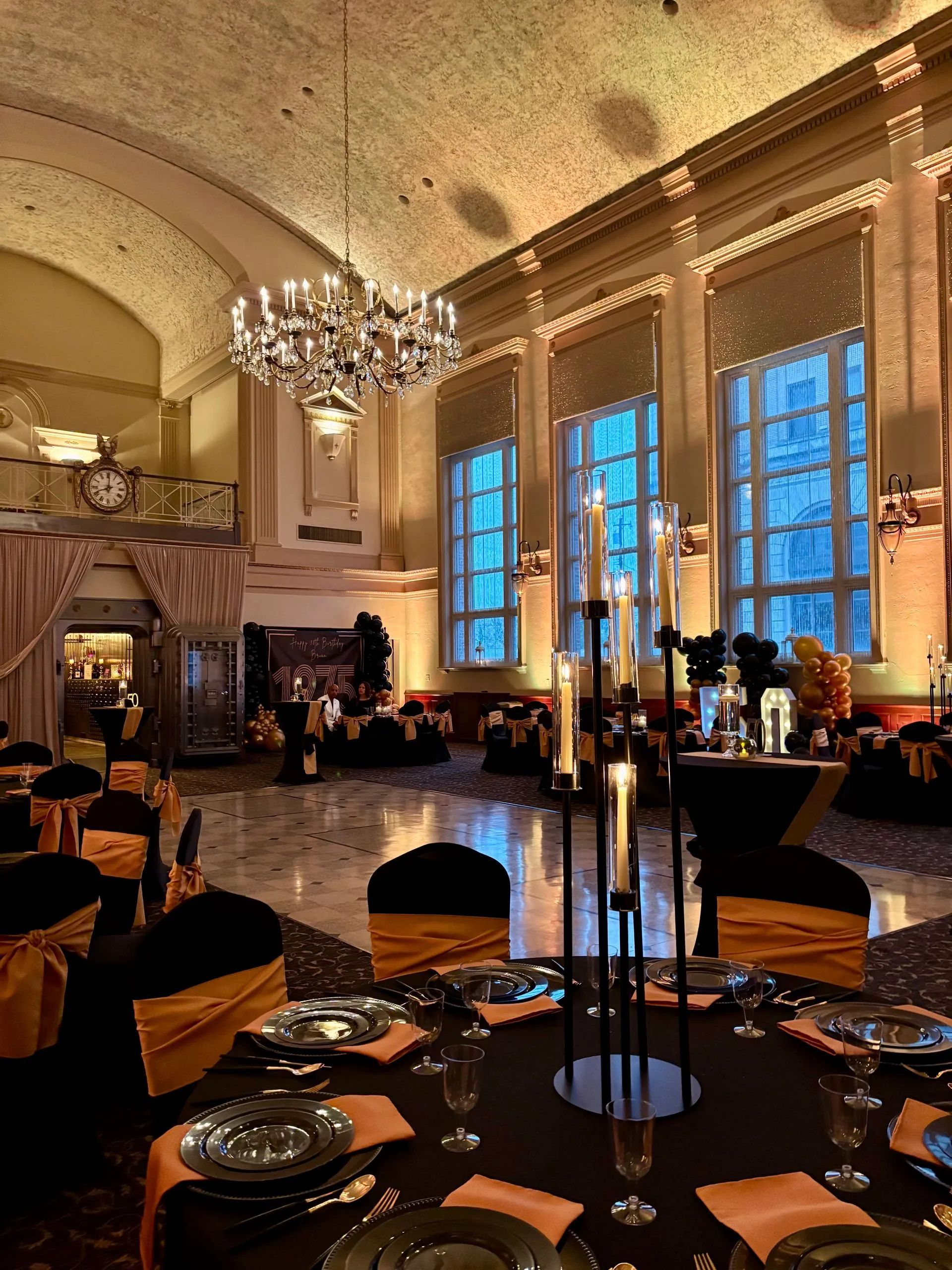
Distinctive architectural details naturally influence event design strategies. High ceilings, expansive windows, and traditional building layouts encourage creative use of space while reducing reliance on excessive decorative elements. Instead of building ambiance from scratch, planners can highlight existing character through strategic lighting, floral installations, and seating arrangements. This approach enhances visual impact while maintaining cohesive thematic storytelling.
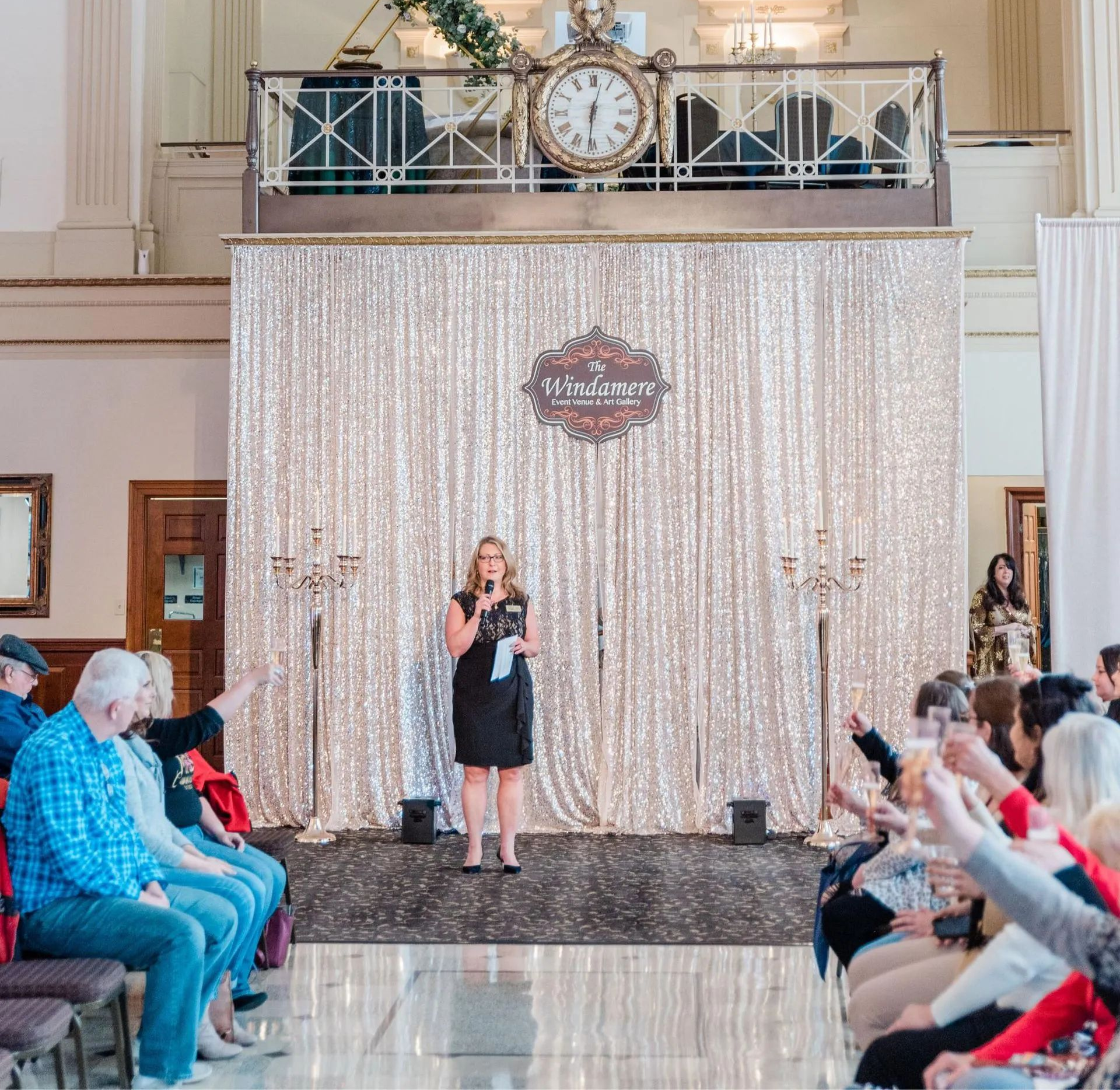
For example, wedding ceremonies benefit from dramatic focal points created by original design elements, while corporate presentations gain prestige through refined surroundings that convey professionalism and credibility. Historic architecture becomes an active participant in event storytelling rather than simply serving as a backdrop.
Emotional Engagement Through Authentic Environments
Guests often remember how an event made them feel more than specific logistical details. Authentic historic settings evoke nostalgia, curiosity, and admiration, contributing to memorable experiences that encourage positive word-of-mouth promotion. By preserving character while ensuring comfort, event venues create atmospheres that foster meaningful interactions and lasting impressions.
Integrating Modern Amenities Within Heritage Spaces
Technology Supporting Seamless Event Execution
While historic charm defines aesthetic appeal, modern amenities ensure operational success. Today’s events require reliable audiovisual capabilities, high-quality lighting systems, and efficient connectivity solutions. Integrating these features into heritage structures demands careful planning to avoid disrupting architectural authenticity. Concealed installations and modular equipment allow venues to meet technical requirements while maintaining visual harmony.
Corporate meetings and conferences particularly benefit from this integration. Presenters can deliver impactful content using contemporary tools while participants enjoy inspiring surroundings that stimulate engagement and productivity. Weddings and private celebrations also gain from coordinated lighting enhancements that highlight architectural beauty during evening receptions.
Guest Comfort and Accessibility Considerations
Comfort remains a fundamental priority for successful event hosting. Climate-controlled interiors, accessible facilities, and adaptable seating configurations ensure guests remain focused on celebration rather than logistical concerns. Historic venues that invest in infrastructure upgrades demonstrate commitment to excellence without compromising heritage value. This balance reinforces trust among clients seeking venues capable of delivering both charm and reliability.
Event Coordination Strategies for Historic Layouts
Maximizing Unique Spatial Opportunities
Historic buildings rarely follow standardized design patterns, requiring creative coordination strategies to optimize functionality. Coordinators must carefully evaluate guest flow, vendor access points, and staging requirements to ensure smooth event progression. Rather than viewing unconventional layouts as limitations, experienced planners transform them into distinctive experiential features.
Intimate side rooms can serve as cocktail lounges or photo areas, while grand halls accommodate ceremonies or keynote presentations. Thoughtful spatial planning encourages exploration and interaction, making events feel dynamic and personalized. Such strategies demonstrate how heritage environments inspire innovation within event coordination practices.
Vendor Collaboration Enhancing Efficiency
Successful event execution relies on strong relationships with trusted vendors familiar with site-specific requirements. Coordinated timelines ensure catering, décor installation, and technical setup occur efficiently while protecting historic features. These partnerships reduce stress for hosts and contribute to consistently high-quality outcomes. By fostering collaboration and maintaining clear communication, venues uphold professional standards that strengthen industry reputation.
Storytelling Experiences That Extend Beyond Traditional Events
Thematic Programming Inspired by Venue Legacy
Historic venues possess unique opportunities to offer specialty experiences that expand beyond conventional event formats. Heritage tours, storytelling evenings, and immersive themed gatherings allow guests to engage directly with the building’s narrative. Such programming adds cultural value while attracting diverse audiences interested in history and community identity.
Our event space embraces storytelling by highlighting its transformation from financial institution to vibrant celebration destination. Incorporating historical references into décor themes or entertainment choices enables hosts to create cohesive experiences that feel intentional and memorable.
Paranormal Encounters and Experiential Engagement
Some historic venues also explore niche programming opportunities through guided paranormal encounters. These events leverage architectural atmosphere and historical intrigue to deliver thrilling yet respectful experiences. Guests seeking unique entertainment appreciate opportunities to explore heritage spaces from unconventional perspectives. By offering such experiences responsibly, venues diversify engagement strategies while preserving authenticity and cultural sensitivity.
Benefits of Choosing a Historic Event Venue
Prestige, Memorability, and Brand Impact
Hosting events in historically significant spaces enhances perceived value among attendees. Organizations benefit from environments that convey sophistication and thoughtful planning, strengthening brand perception and stakeholder relationships. Weddings and private celebrations gain emotional depth that encourages meaningful storytelling and cherished memories.
Historic venues often become talking points among guests, extending event impact long after the occasion concludes. This organic promotion supports venue visibility and client satisfaction simultaneously.
Community Revitalization and Sustainable Practices
Adaptive reuse contributes to urban revitalization by transforming vacant or underutilized structures into thriving community assets. Restored event venues attract tourism, support local vendors, and encourage economic development. Sustainability-conscious clients increasingly recognize these benefits when selecting venues aligned with responsible values. By preserving heritage while fostering growth, historic event spaces play vital roles in community progress.
Historic event spaces continue influencing the evolution of modern event planning by offering environments rich in authenticity, architectural elegance, and emotional resonance. Through careful restoration, strategic coordination, and integration of contemporary amenities, these venues create immersive experiences that elevate weddings, corporate gatherings, and private celebrations alike. While challenges related to maintenance, regulatory compliance, and spatial adaptability require proactive management, the resulting benefits significantly enhance guest satisfaction and event success. Storytelling opportunities, sustainability advantages, and distinctive design features further strengthen the appeal of heritage venues within competitive hospitality markets. As hosts seek meaningful ways to celebrate milestones and strengthen professional relationships, historic spaces remain powerful platforms for connection and creativity. Their ability to bridge past narratives with present aspirations ensures continued relevance and lasting impact across evolving industry expectations.
Dedicated Event Specialists Elevating Heritage Gatherings With Precision